

A quieter kind of precision
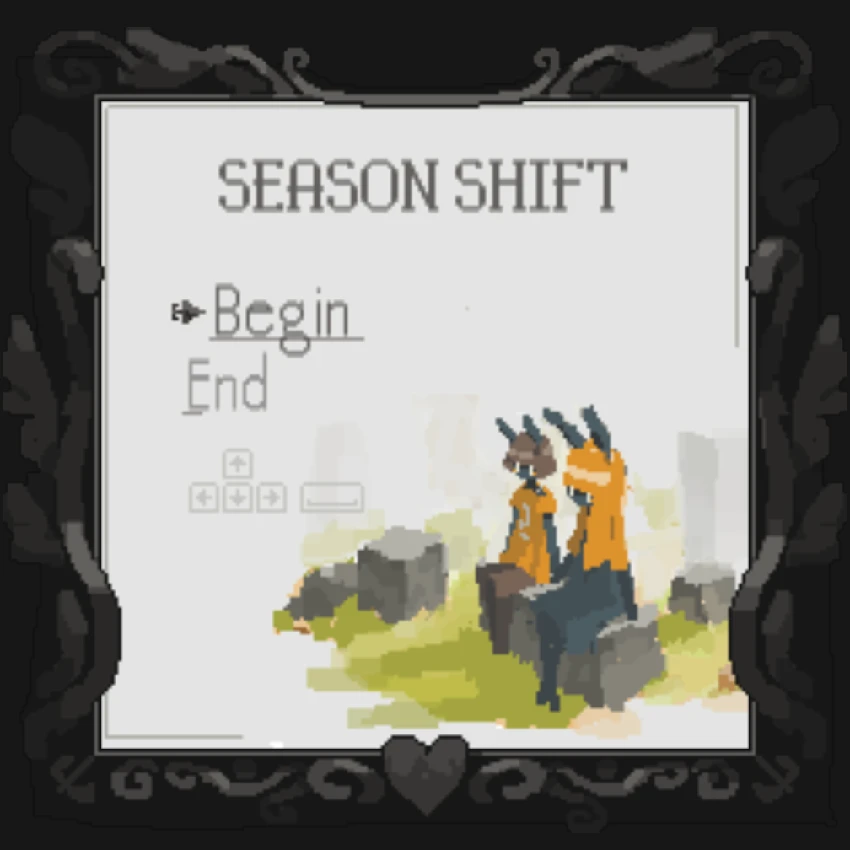
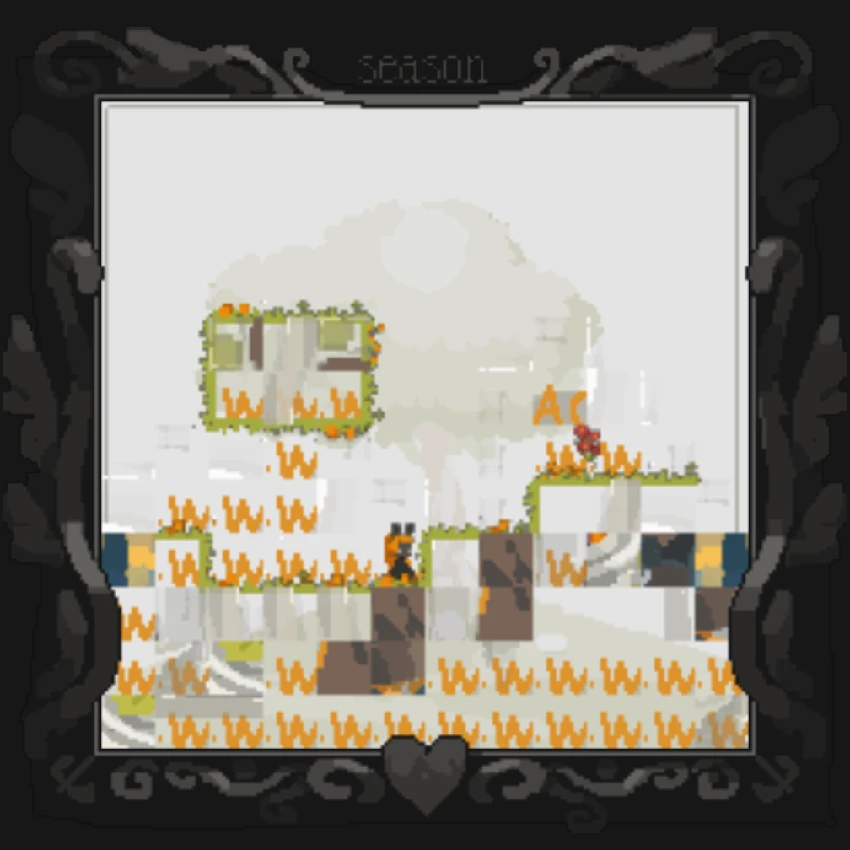
Season Shift gives the Pen Fight desk-break collection a different kind of precision challenge. Instead of choosing enough force to knock an opponent away, you study a small world and decide how changing that world could make a flower reachable. The useful skill is observation before action. A confident guess can be satisfying, but a clear explanation of why a route should work is more valuable when the next puzzle presents an unfamiliar arrangement. Give yourself permission to look before touching anything.
The creator describes approximately fifteen puzzles built around altering the world to gather flowers. This is a cozy, singleplayer pixel puzzle, not a competitive physics match, a role-playing progression system, or a horror experience. The guide below offers a method for learning unfamiliar layouts without supplying a numbered solution sequence. Its planning suggestions are optional habits, not additional rules enforced by the game. You can play casually, pause to compare possibilities, or use the checklist when an apparently simple route stops making sense.
Start with one question, not a complete solution
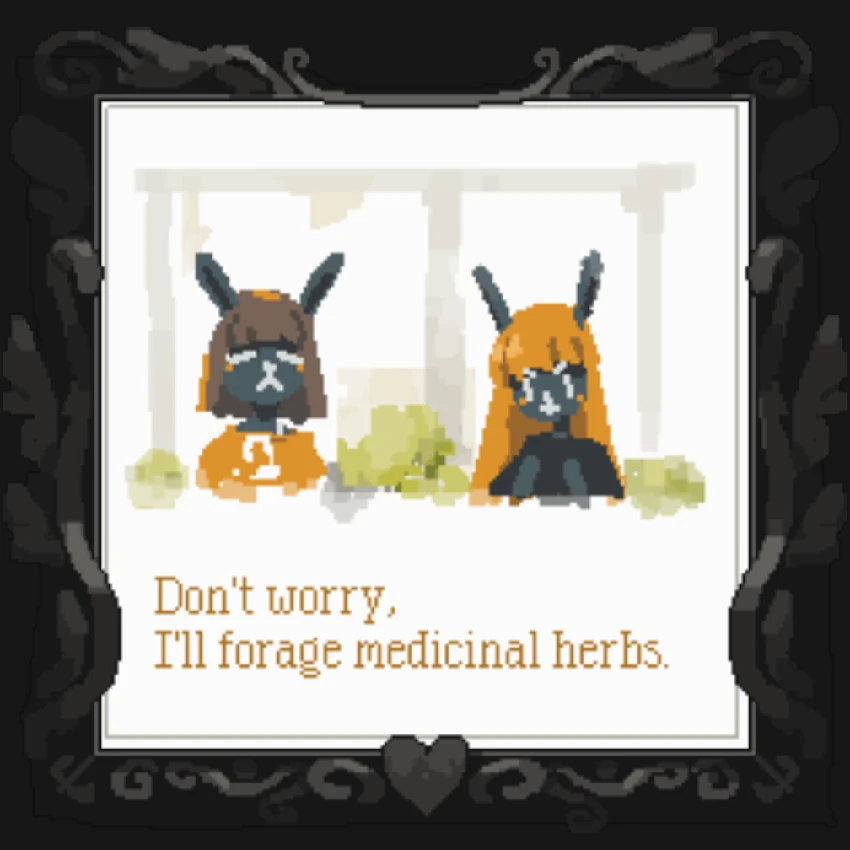
Press the play control above to load the game, then give the embedded window focus before trying its controls. Read the instructions in the current build rather than assuming that the gestures used for Pen Fight also apply here. A game window and the surrounding guide handle input separately. If a key scrolls the page instead of producing a game response, click inside the loaded game and try the indicated input again. Repeatedly pressing unfamiliar keys is unlikely to reveal which part of the setup needs attention.
For your opening experiment, ask a small question: what changes when I use the world-shifting action? Notice a nearby landmark beforehand, perform the action as instructed, and compare the result. Do not worry about collecting everything immediately. Your first useful outcome can simply be understanding what remained fixed and what moved. This narrow test gives the next decision a foundation. Trying to remember a long sequence before understanding the first transformation makes a compact puzzle feel much more complicated than it needs to be.
Separate the target from the route
A visible flower provides a goal, but it does not automatically reveal the path to that goal. First identify where the flower sits relative to the character and the nearby playable space. Then look at the connections between those places. Is the route understandable in the current arrangement, or is there a relationship you need to change? Describe that relationship in plain language. For example, you might need the area beside the target to become accessible from your current position. That is a planning question, not a claim about a particular level solution.
Avoid spending all your attention on the destination. The position immediately before reaching it often matters more because that is where your next action must become possible. Work backwards one small step: where would I need to be to approach this flower comfortably? Then ask how the current world could connect to that position. If the answer is unclear, return to observation instead of forcing a route. This habit turns an attractive but vague target into a sequence of concrete, testable relationships.
Compare before and after carefully
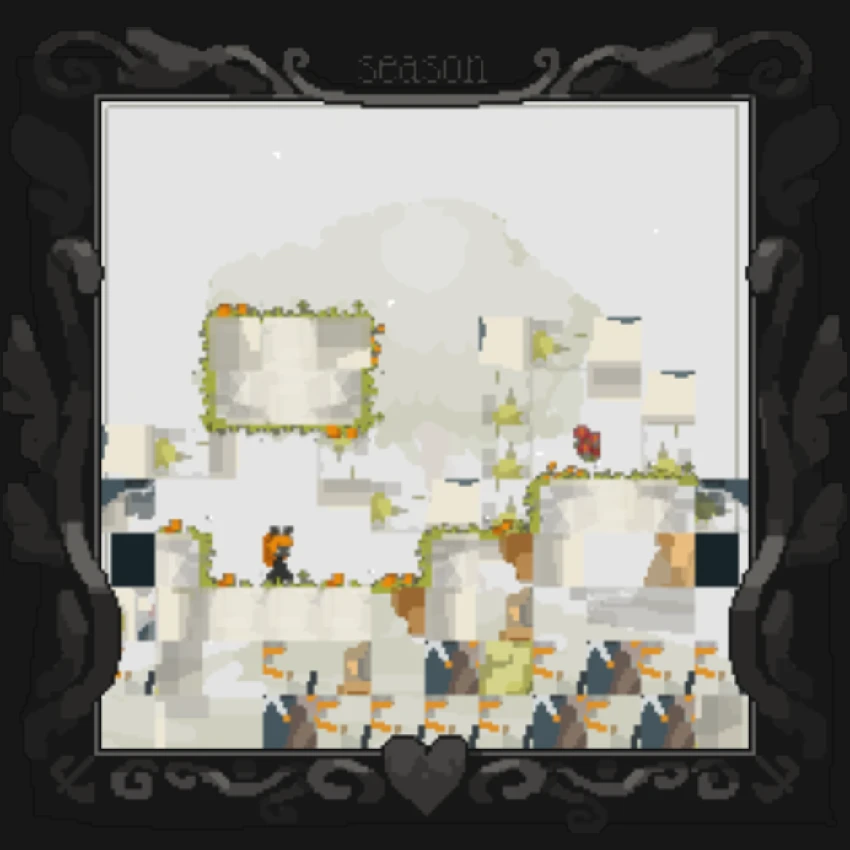
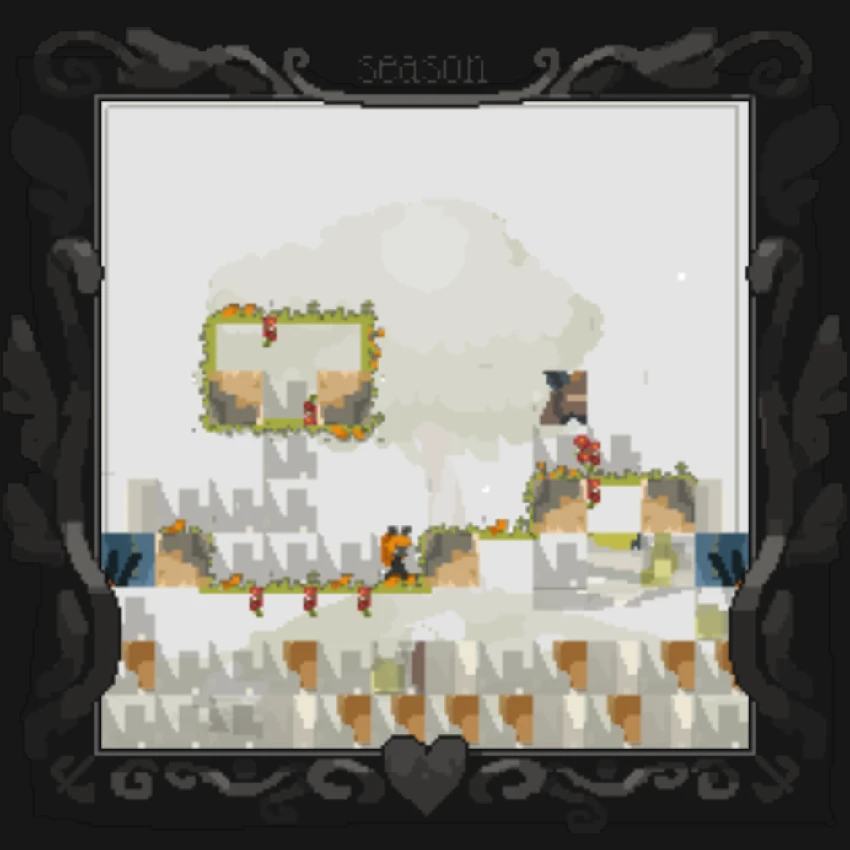
World changes are easier to understand when you choose a reference point. Pick something visually distinct that you can recognise after an action, then compare its relationship to the character, the target, and nearby space. You do not need to memorise every pixel. Concentrate on the part of the scene relevant to your next decision. If you try to inspect the whole picture equally, a small but important change can disappear among decorative details. A deliberate comparison is often more useful than another immediate action.
Treat your first interpretation as a hypothesis. A piece of scenery that looks connected may not provide the movement you expected, and a change that appears unhelpful might create a useful approach elsewhere. Test the specific relationship rather than arguing with the picture in your head. If the result contradicts your expectation, update the expectation. This is the observation equivalent of checking a collision in Pen Fight, but the emphasis is on spatial relationships rather than force, momentum, or an opponent's next turn.
Change one decision at a time
When an attempt does not help, resist changing every part of the plan together. Keep the same immediate goal and alter only the next decision you can understand. You might examine a different approach, observe a transformation from another position, or stop earlier to inspect the new arrangement. The point is to preserve a comparison between attempts. A sequence of unrelated guesses can eventually succeed, but it leaves little understanding to carry into the following puzzle. One informative failure is often better practice than a lucky sequence you cannot explain.
Before an action, state what you expect to happen. Afterwards, ask whether that expectation was met. If it was, the next question concerns the remaining route. If it was not, the next question concerns the action itself. Keeping those questions separate prevents a common frustration: treating an incorrect understanding of a transformation as if it were merely a movement mistake. Your goal is not to predict every detail perfectly. It is to make each experiment clear enough that its result teaches something specific.
Use a short route description
Once you see a possible route, describe it in a few meaningful stages rather than a long list of inputs. A useful description names the next reachable area, the relationship you intend to change, and the final approach to the flower. This is a personal planning aid, not a walkthrough for a specific screen. Keeping the description short leaves room to notice when reality differs from your plan. If you cannot explain why one stage leads to the next, that connection deserves another look before you commit to the sequence.
After reaching a useful position, reassess. The world you are looking at now is the starting point for the next decision, even if an earlier plan assumed something else. Avoid continuing automatically just because you remember the remaining actions. A fresh check can catch a mistaken assumption before it turns into a confusing chain. This approach also makes interruptions easier: when returning from the guide, identify your current position and immediate goal instead of trying to reconstruct every action from the beginning of the session.
Turn the checklist into an observation routine
The checklist on this page is a lightweight way to organise an attempt. Mark an item only when you have actually considered it for the current situation. Locating a target is different from finding an approach, and predicting a change is different from checking its result. These distinctions are useful precisely because a promising idea can otherwise feel like a completed solution. A checked box means you performed a planning step; it does not mean the game has awarded progress or confirmed that your route is correct.
Clear the checklist when you want to consider a new puzzle or begin a fresh experiment. Its state belongs to this page session and is not connected to the embedded game. It neither reads your flower collection nor writes a save file. That separation lets you use it honestly as a thinking aid rather than a fake completion tracker. You can also ignore the tool entirely. The same routine works as a brief mental check: identify, predict, test, compare, and reconsider the next useful position.
Recover from confusion without rushing
If the layout no longer makes sense, stop adding inputs for a moment. Locate the character again, find the current target, and describe only the immediate surroundings. Confusion often grows when an old mental picture survives after the world changes. Replacing that picture with a fresh observation is more useful than trying to remember which action was supposedly wrong. You can reduce the problem further by asking whether one nearby relationship behaves as expected. A small reliable observation gives you somewhere to restart your reasoning.
Use reset or restart options only when the game itself offers them and explains their effect. Refreshing the browser reloads the embedded game and may interrupt progress; this page cannot promise recovery after that action. This hosted version requires an iframe, so opening its standalone URL is not a playable fallback. If loading fails, use Retry game frame after accepting the warning about losing unsaved progress. Before leaving, check the game's own interface for relevant progress information. There is no shared save, score transfer, or account synchronisation between this puzzle and Pen Fight's competitive modes.
Keep the session comfortable and purposeful
A cozy presentation does not require you to solve every puzzle in one sitting. Choose a small session goal such as understanding one world change or making one route more deliberate. When you reach that goal, decide whether you genuinely want another puzzle rather than continuing because an unfinished checklist looks untidy. Approximately fifteen puzzles describes the creator's stated scope, not a fixed completion time. Players differ in how long they like to observe, experiment, and enjoy the presentation, so there is no useful universal pace to chase.
A desktop browser with the supported input available is a sensible starting point. The original creator lists keyboard and gamepad inputs and notes an iPad limitation for the original version. The hosted adaptation on this page adds touch arrow and Z controls; that is a separate implementation, not proof that the original supports touch. These controls do not guarantee compatibility with every phone or tablet. You can also use the guide and checklist independently of the game. Follow the loaded build's prompts and retry the embedded frame, with the progress warning in mind, if loading fails.
Bring observation back to the desk
The connection to Pen Fight is a habit, not a shared ruleset. In both games, a useful action starts with noticing the actual situation instead of reacting to an imagined one. Season Shift removes the competitive framing and gives that habit a different focus: relationships, transformations, and routes. When you return to a desk match, you can keep the discipline of checking an assumption before committing, while remembering that force and collision are separate skills that this puzzle does not directly train.
For your next attempt here, choose one improvement you can describe afterwards. Perhaps you recognised a changed connection sooner, avoided repeating an unhelpful assumption, or found a clearer position from which to approach a target. Those are meaningful observations even without a score attached. The aim of this guide is to make your own discoveries easier to understand, not to replace them with a rigid optimal route. Explore patiently, verify what the current build actually does, and let a small successful experiment lead to the next question.